The Advantages of Welding Evaluation for Enhanced Safety and Efficiency
Welding inspections are essential for ensuring that frameworks fulfill rigid market standards. They play a crucial role in recognizing flaws early, consequently improving safety and reducing the threat of disastrous failures. Additionally, these copyrightinations can cause considerable cost financial savings by avoiding costly fixings and downtime. As companies go for better efficiency and reliability, the relevance of a robust inspection procedure can not be overstated. What various other advantages might emerge from a dedication to complete welding evaluations?
Ensuring Conformity With Industry Specifications
Ensuring conformity with industry criteria is vital for keeping high quality and safety in welding jobs. Abiding by recognized methods not only shields workers however also improves the durability and performance of the last product. Welding assessments performed at various phases of the procedure help determine any kind of discrepancies from these criteria, enabling timely restorative activities. This proactive method minimizes the risk of failures that might arise from low quality craftsmanship.
In addition, conformity with industry requirements promotes trust fund amongst stakeholders, including clients, regulative bodies, and the workforce. It symbolizes a dedication to quality and liable techniques, which can lead to increased company chances and an one-upmanship out there - API 650 Welding Inspection. Regular evaluations likewise ensure that techniques and materials used align with the newest technological advancements and safety regulations. Ultimately, adherence to sector criteria is not just a regulatory requirement yet a keystone of quality control in welding jobs
Enhancing Safety Through Very Early Discovery of Problems
While the primary goal of welding copyrightinations usually focuses on compliance, they play a necessary function in enhancing safety by making it possible for the very early detection of defects. Recognizing problems such as incomplete blend, fractures, or porosity during inspections can substantially alleviate the risk of tragic failures. Early detection enables timely treatments, making sure that defective welds do not endanger structural integrity.
In addition, methodical inspections cultivate a culture of safety and security within organizations by emphasizing the importance of quality control. This proactive technique not just shields employees however likewise safeguards the surrounding setting. Regular copyrightinations can expose fads in problem event, enabling changes in welding techniques and training programs to resolve underlying issues.
Welding inspections serve as an important safeguard, reinforcing total safety and security and performance by determining flaws prior to they escalate into major dangers. This dedication to top quality directly adds to the durability and dependability of bonded frameworks.
Lowering Costs by Avoiding Failures
By carrying out detailed welding inspections, organizations can efficiently decrease expenses connected with failings and remodel. The positive identification of flaws during the welding process reduces the danger of disastrous failings that can cause expensive repair services or substitutes. Early discovery enables prompt interventions, which avoids the acceleration of minor issues into significant troubles that stress resources and spending plans. In addition, by making certain that welds fulfill specified standards, organizations can stay clear of hold-ups in project timelines created by the requirement for comprehensive rework or additional inspections later on at the same time. This not only saves cash however likewise enhances functional effectiveness. Furthermore, a credibility for quality handiwork can cause enhanced customer satisfaction and repeat organization, additional contributing to economic stability. In general, buying welding assessments is a strategic technique that fosters price savings while securing the stability of bonded structures.
Improving Performance and Longevity of Frameworks
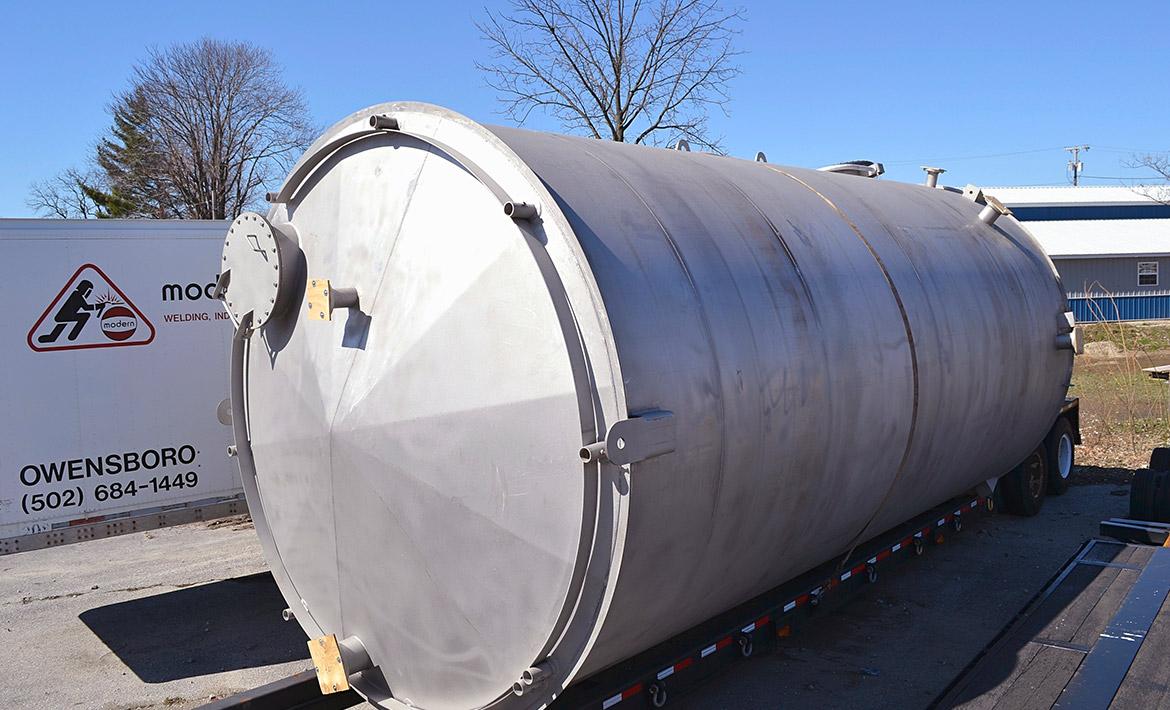

Welding copyrightinations play an important function in boosting the efficiency and longevity of structures, as they confirm that welds are carried out to the highest possible criteria. By identifying problems early in the welding process, assessments stop weak points that can endanger architectural honesty. This proactive approach guarantees that the materials used meet required specifications, thus optimizing their load-bearing capacity and resilience.
Regular surveillance of welding methods contributes to the overall quality of construction tasks. When welds are validated for click here to find out more conformity with market requirements, the potential for exhaustion and failing in time is substantially minimized. Structures that are constructed with correctly inspected welds are most likely to experience less maintenance concerns and improved sturdiness.
Eventually, rigorous welding assessments not only strengthen the instant effectiveness of a framework but likewise extend its functional lifespan, supplying long-term worth to both end-users and building contractors alike.
Promoting a Society of High Quality and Integrity
A commitment to top quality and reliability in welding methods greatly adds to the total success of building tasks. They cultivate a society that urges meticulous focus to detail and adherence to market criteria when organizations prioritize these values. This society not just enhances the skill level of welders yet additionally promotes responsibility and synergy why not try here amongst all stakeholders associated with the job.
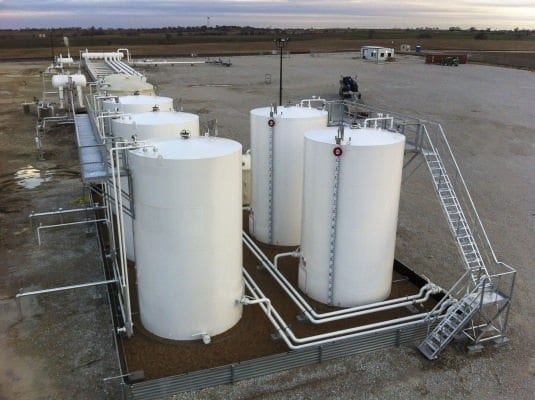
Normal welding inspections offer as a keystone in this social change, enhancing the relevance of regular efficiency and precaution (API 650 Welding Inspection). By applying strenuous assessment procedures, business can determine possible imperfections early, mitigating dangers and preventing web costly rework. In addition, a concentrate on quality and integrity imparts self-confidence amongst partners and customers, bring about more powerful connections and enhanced reputations
Eventually, fostering a society of high quality and reliability in welding techniques not only boosts job outcomes yet also assures long-lasting sustainability and success in the construction sector.
Frequently Asked Inquiries
What Certifications Should a Welding Assessor Have?
A welding copyrightiner should possess pertinent certifications, such as AWS CWI or CSWIP. In addition, they should have experience in metallurgy, welding processes, and copyrightination techniques, together with solid analytical skills and interest to information for effective assessments.
Just How Often Should Welding Inspections Be Conducted?
Welding evaluations ought to be carried out on a regular basis, preferably after each substantial stage of the welding procedure. Furthermore, regular assessments must take place based upon job demands, service conditions, and regulatory standards to guarantee recurring top quality and safety and security.
What Devices Are Utilized Throughout Welding Inspections?
Welding assessments use various tools, consisting of ultrasonic testers, magnetic fragment testers, visual assessment tools, and radiographic equipment. Each device offers a certain function, guaranteeing weld quality and architectural stability with comprehensive evaluation and assessment.
Can Welding Inspections Be Executed From Another Location?
Welding evaluations can indeed be executed from another location using innovative modern technologies such as drones and specialized cams. These tools make it possible for copyrightiners to assess welding top quality and stability from a distance, boosting effectiveness and safety in numerous environments.
What Are the Usual Kinds of Welding Flaws?
Common sorts of welding problems consist of porosity, cracks, insufficient fusion, damaging, and slag inclusion. These issues can jeopardize the honesty and stamina of welds, leading to prospective failings in architectural applications if not addressed properly.
Welding evaluations are necessary for ensuring that structures satisfy rigid sector criteria. Welding inspections conducted at various phases of the process assistance recognize any discrepancies from these criteria, enabling timely rehabilitative activities. Welding evaluations play a necessary role in enhancing the efficiency and long life of frameworks, as they confirm that welds are implemented to the highest criteria. Welding assessments ought to be performed on a regular basis, preferably after each significant phase of the welding process. API 650 Welding Inspection. Welding evaluations use numerous devices, consisting of ultrasonic testers, magnetic fragment testers, aesthetic inspection tools, and radiographic equipment